
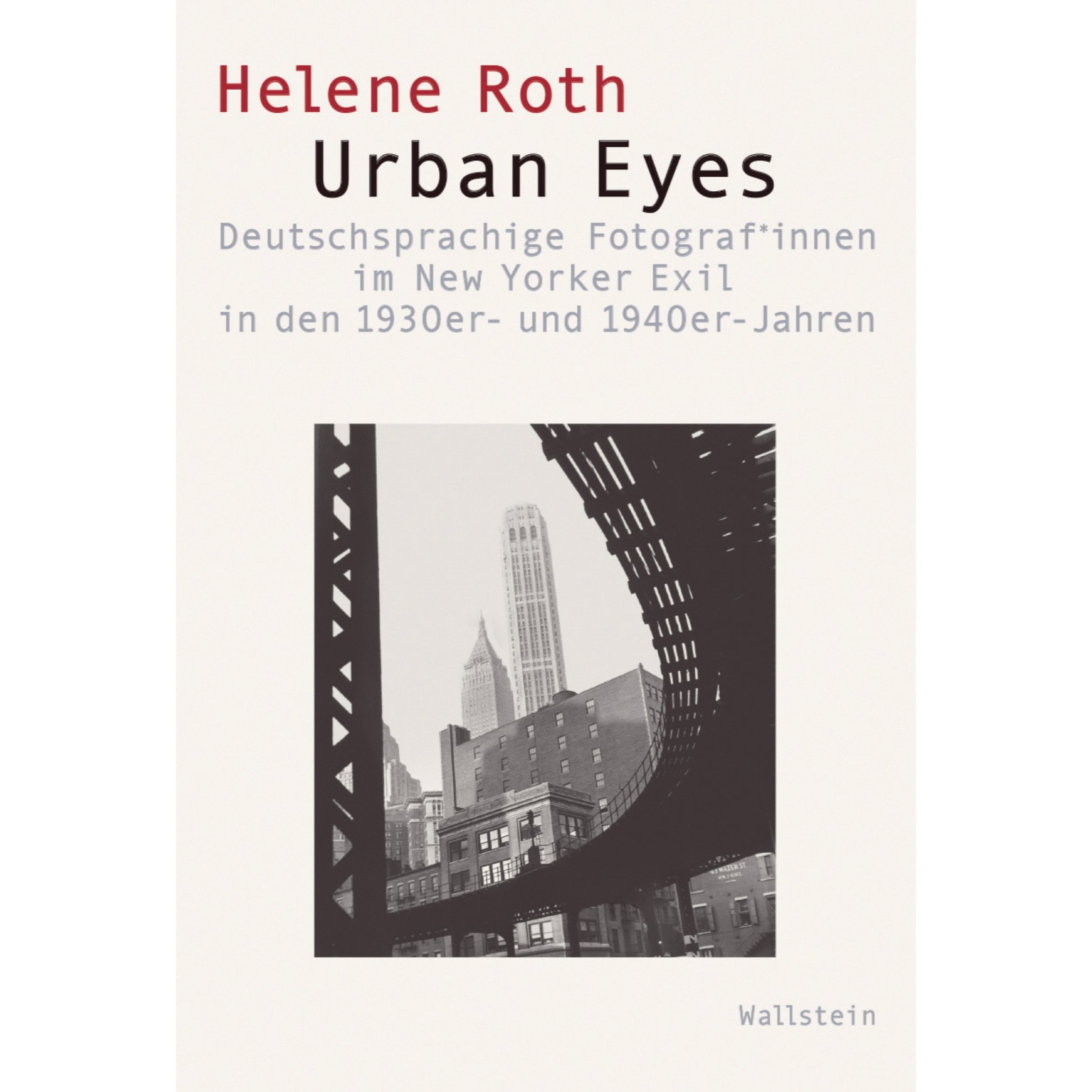
Urban Eyes. Deutschsprachige Fotograf*innen im New Yorker Exil in den 1930er- und 1940er- Jahren
When the National Socialists came to power, New York established itself as a city of arrival for German-speaking photographers who had managed to flee Europe. Photography as a medium was in a state of upheaval at this time, partly due to efforts to establish it as an art form. The exiles, in turn, brought different training, camera types and emigration histories with them. Some had already worked professionally, others had to give up their learned professions and acquired photographic skills through self-tuition. Their artistic strategies in exile in New York therefore also differed. The camera served as a medium for dealing with the metropolis, reflecting on the experience of emigration, building networks and simply surviving economically.
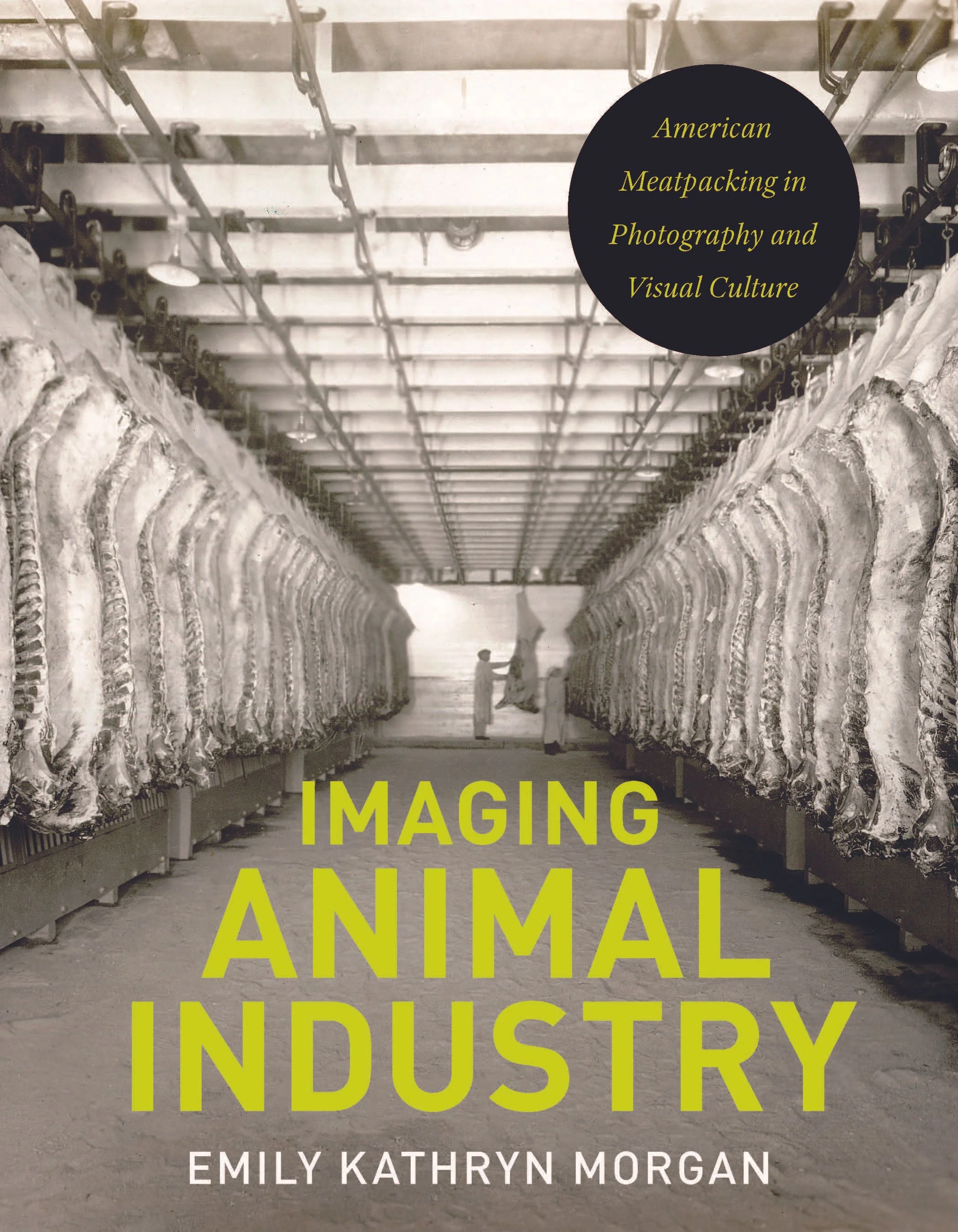
Imaging Animal Industry: American Meatpacking in Photography and Visual Culture
Imaging Animal Industry focuses on the visual culture of the American meat industry between 1890 and 1960. It describes how, during that period, photographs and other images helped to shape public perceptions of industrial-scale meat production.

Thank You for Ruining My Birthday
Plucked straight from my personal diaries and photo library, Thank You for Ruining My Birthday portrays the rejection, loneliness, and uncertainty of dating in NYC after the sudden end of a long-term relationship.
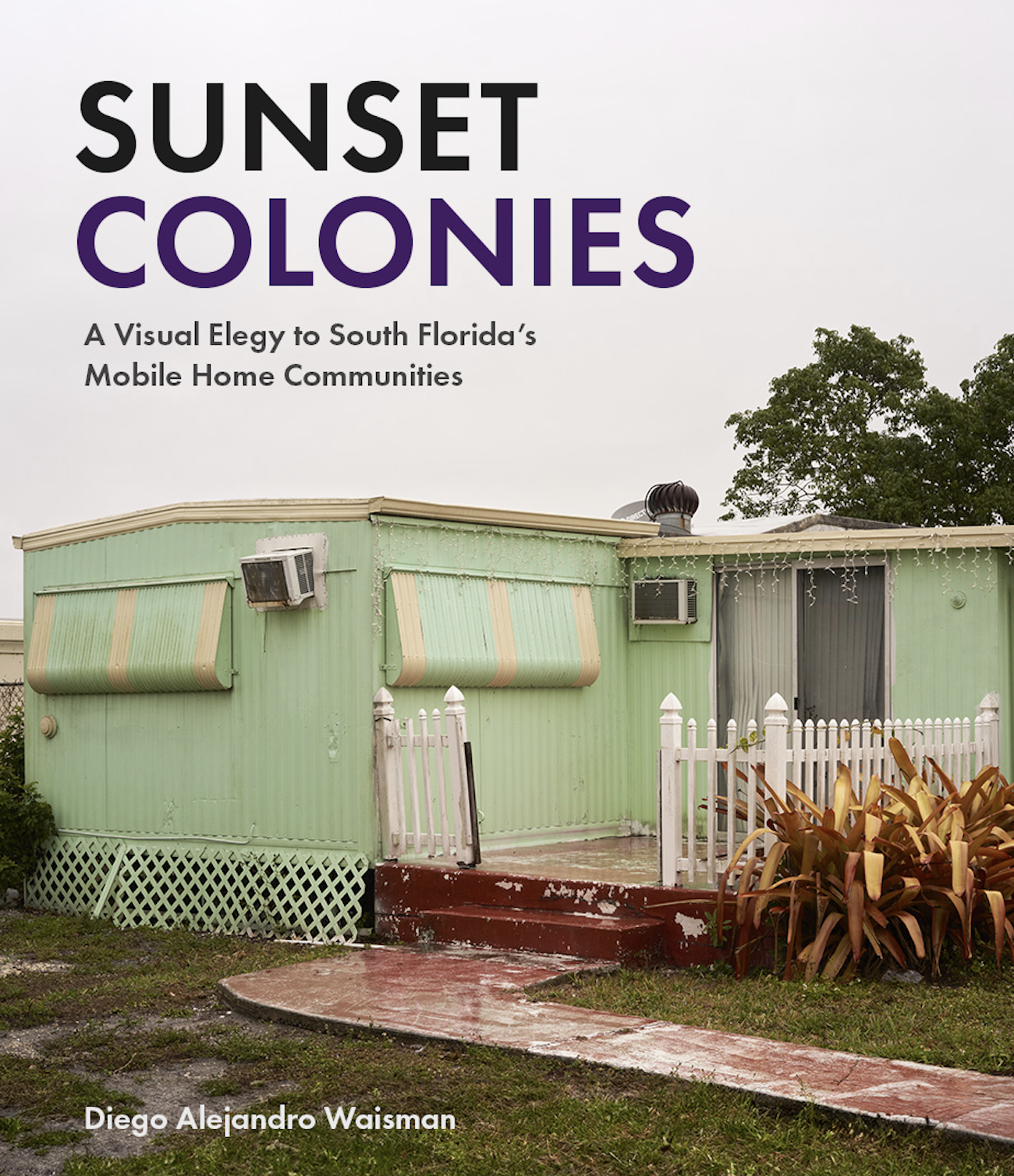
Sunset Colonies: A Visual Elegy to South Florida's Mobile Home Communities
In a collection of images that are both quiet and telling, Sunset Colonies portrays the vulnerabilities experienced by residents of South Florida’s mobile home communities amid rapid urban transformation and the threat of economic displacement. Photographer Diego Waisman captures a fractured sense of place in Miami-area neighborhoods that once flourished but are now increasingly forgotten.
Camera Geologica: An Elemental History of Photography
A rethinking of photography through the framework of extraction, Camera Geologica advances an eco-critical reading of photography to consider the material links between mining and image making.
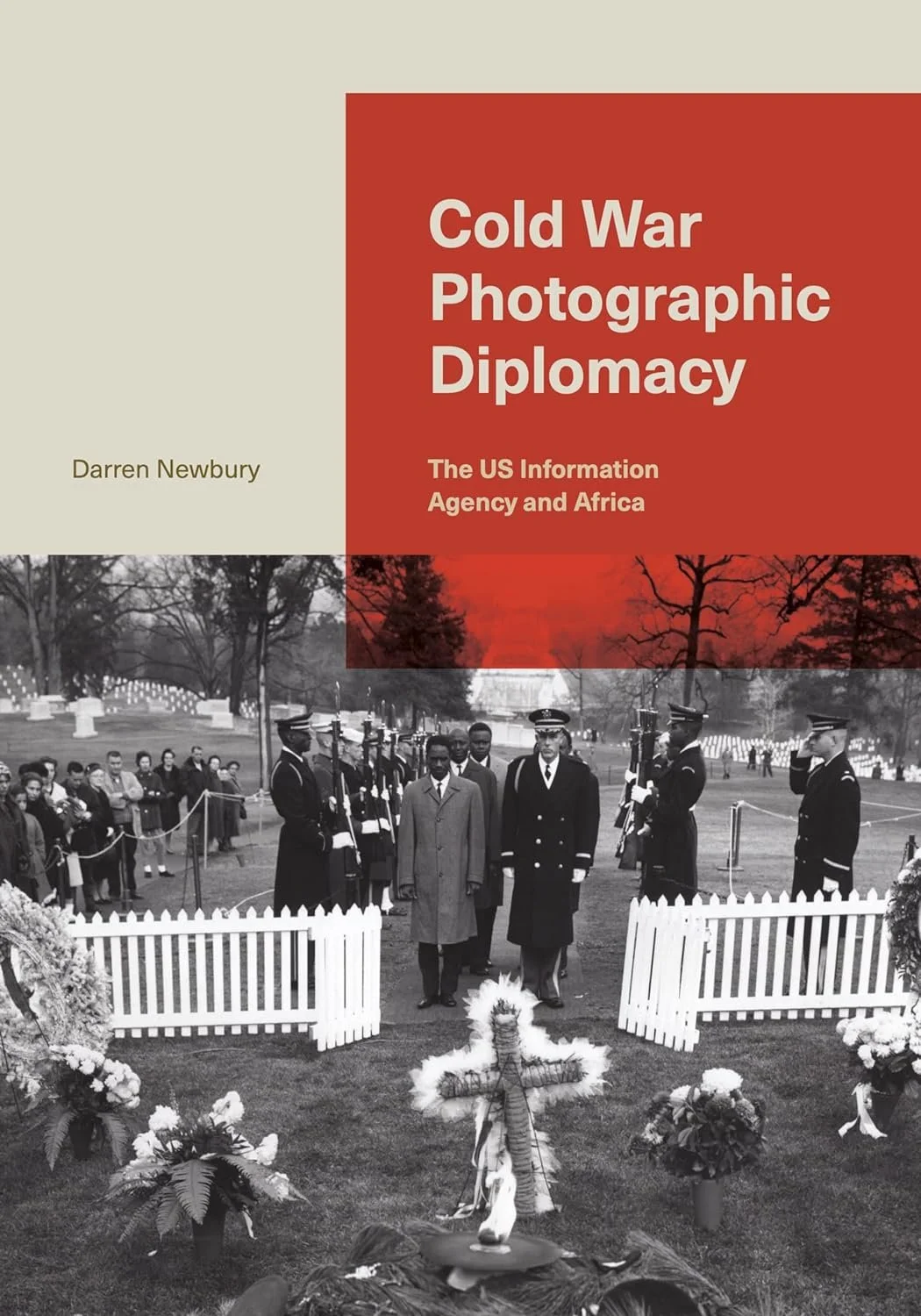
Cold War Photographic Diplomacy: The US Information Agency and Africa
Drawing on extensive research in the archives of the United States Information Agency (USIA) and concentrating on the period from the mid-1950s through to the late 1960s, Darren Newbury traces the role of photography in the United States’ appeal to Africa. Newbury shows how photographing the political, cultural, and educational visits of Africans to the United States provided a space for the imagination of international cooperation and friendship; how the United States presented the civil rights struggle as an example of democracy in action; and how it pictured a world of integration and racial coexistence.
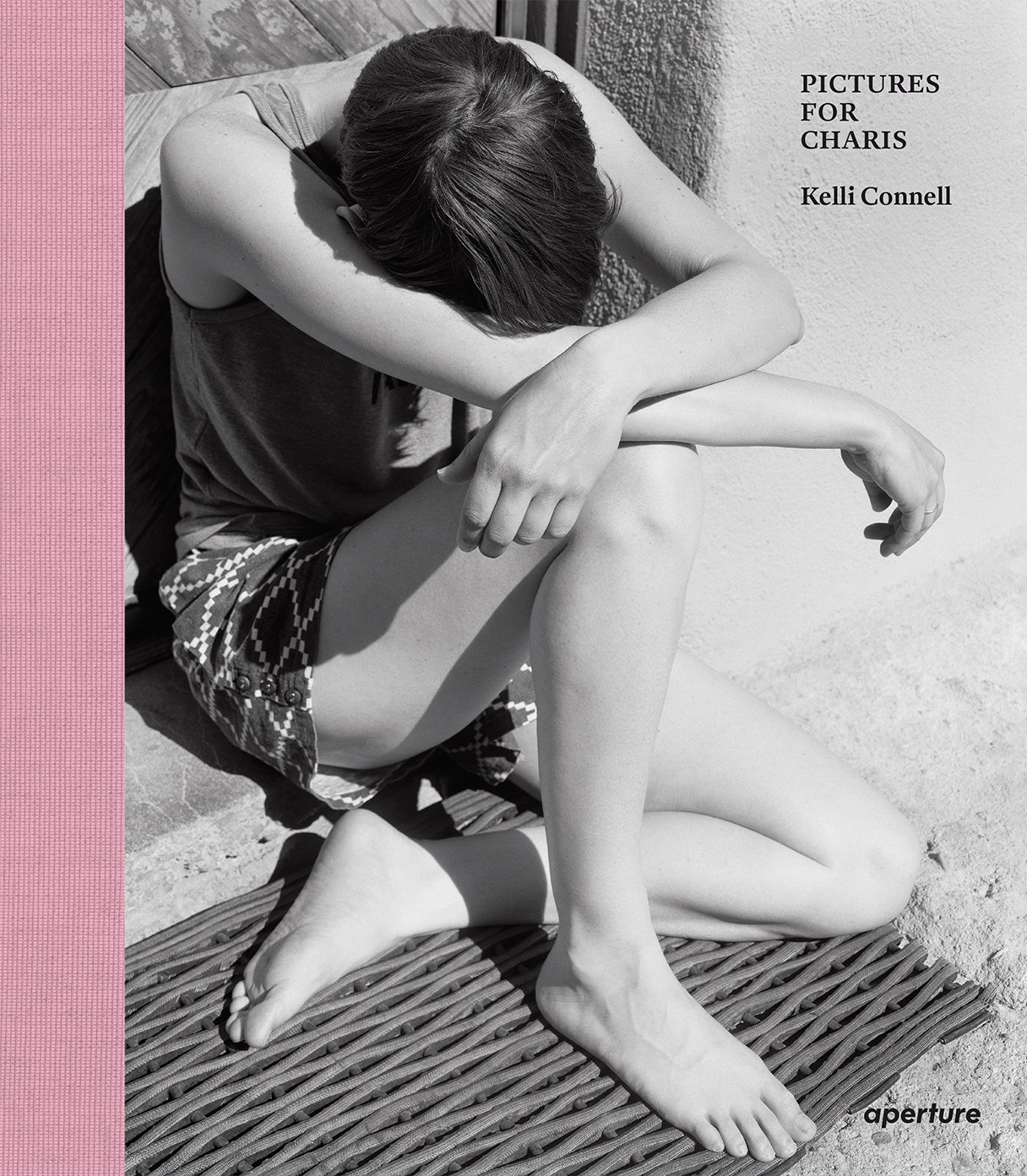
Kelli Connell: Pictures for Charis
Pictures for Charis offers a groundbreaking new work by artist Kelli Connell, synthesizing text and image, while raising vital questions about photography, gender, and portraiture in the twenty-first century.

Building a White Nation: Propaganda, Photography, and the Apartheid Regime Between the Late 1940s and the Mid-1970s
Throughout the apartheid era, South Africa maintained a wide-reaching propaganda apparatus. At its core was the information service that strongly capitalised on photography to visually articulate the minority regime’s racist political messages, promote Afrikaner nationalism, and consolidate White rule. By unearthing a substantial corpus of photographs that so far have been hidden in archives, this book offers a distinctive perspective on the institutional context of the regime’s photographic production and how it was tightly linked to the objective to build a White nation.
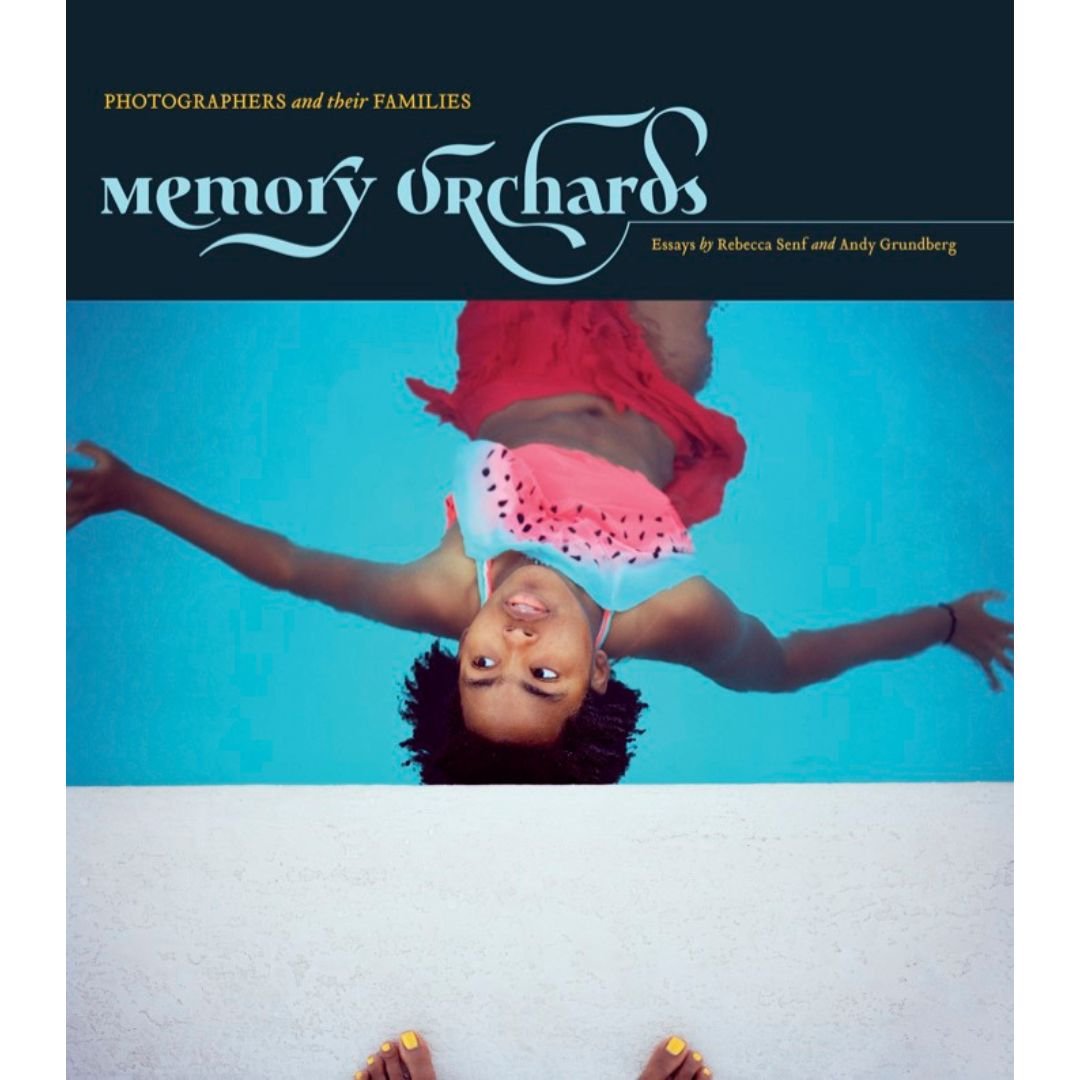
Memory Orchards: Photographers and Their Families
Memory Orchards presents a broad survey of family experience, through highs and lows, through lust and loss, creating a survey of work which reflects our understanding of ‘family’ in this moment.

Aleksandr Rodchenko: Photography in the Time of Stalin
Tracing the shifting meanings of photography in the early Soviet Union, Aglaya K. Glebova reconsiders the relationship between art and politics during what is usually considered the end of the critical avant-garde.

A Nimble Arc: James Van Der Zee and Photography
In A Nimble Arc, Emilie Boone considers Van Der Zee’s photographic work over the course of the twentieth century, showing how it foregrounded aspects of Black daily life in the United States and in the larger African diaspora. Boone argues that Van Der Zee’s work exists at the crossroads of art and the vernacular, challenging the distinction between canonical art photographs and the kind of output common to commercial photography studios.

In Visible Presence: Soviet Afterlives in Family Photos
An absorbing exploration of Soviet-era family photographs that demonstrates the singular power of the photographic image to command attention, resist closure, and complicate the meaning of the past.

Photography in Canada, 1839-1989: An Illustrated History
Photography in Canada, 1839 – 1989: An Illustrated History is the first comprehensive book on the history of photography in Canada. It is available open access online in English and French and will be published in print in the coming months.

More Than a Snapshot: A Visual History of Photo Wallets
Drawing from the author’s personal collection of photo wallets from the 1900s to the 1990s, Annebella Pollen's book charts a century of popular photography in Britain.

Citizens of Photography: The Camera and the Political Imagination
Citizens of Photography: The Camera and the Political Imagination is an edited volume that explores the intersections of photography and citizenship, as observed in Bangladesh, Cambodia, Greece, India, Nepal, Nicaragua, Nigeria and Sri Lanka.

The Domestic Interior and the Self in Contemporary Photography
This book explores domesticity and ideas about the self, placing them into conversation with debates about photography and examples of contemporary photographic art. Each chapter focuses on a cluster of artists to explore themes including everyday objects, diary practices, domestic time, the relational self, and intimate modes of displaying photographs.
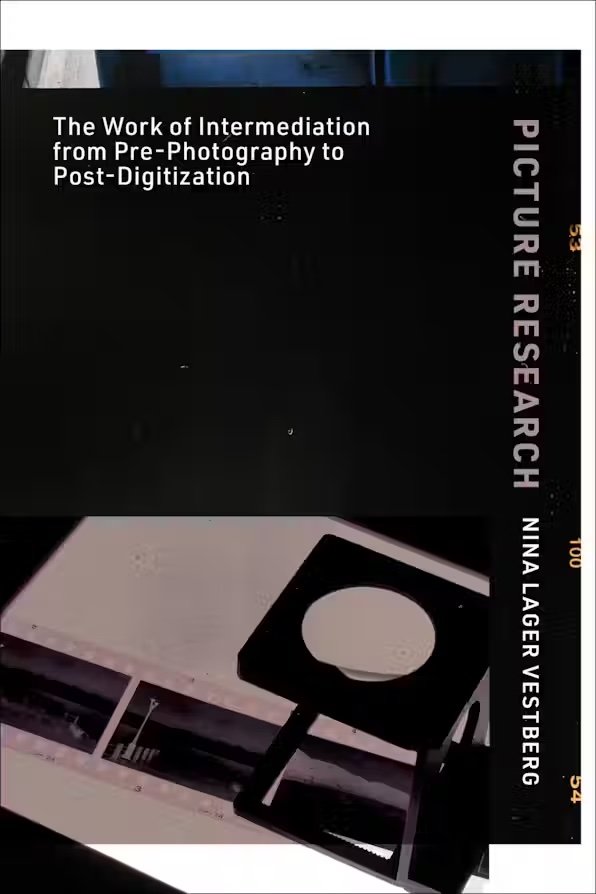
Picture Research: The Work of Intermediation from Pre-Photography to Post-Digitization
An intimate foray into the invisible work that made it possible for pictures to circulate in print and online from the 1830s to the 2010s.

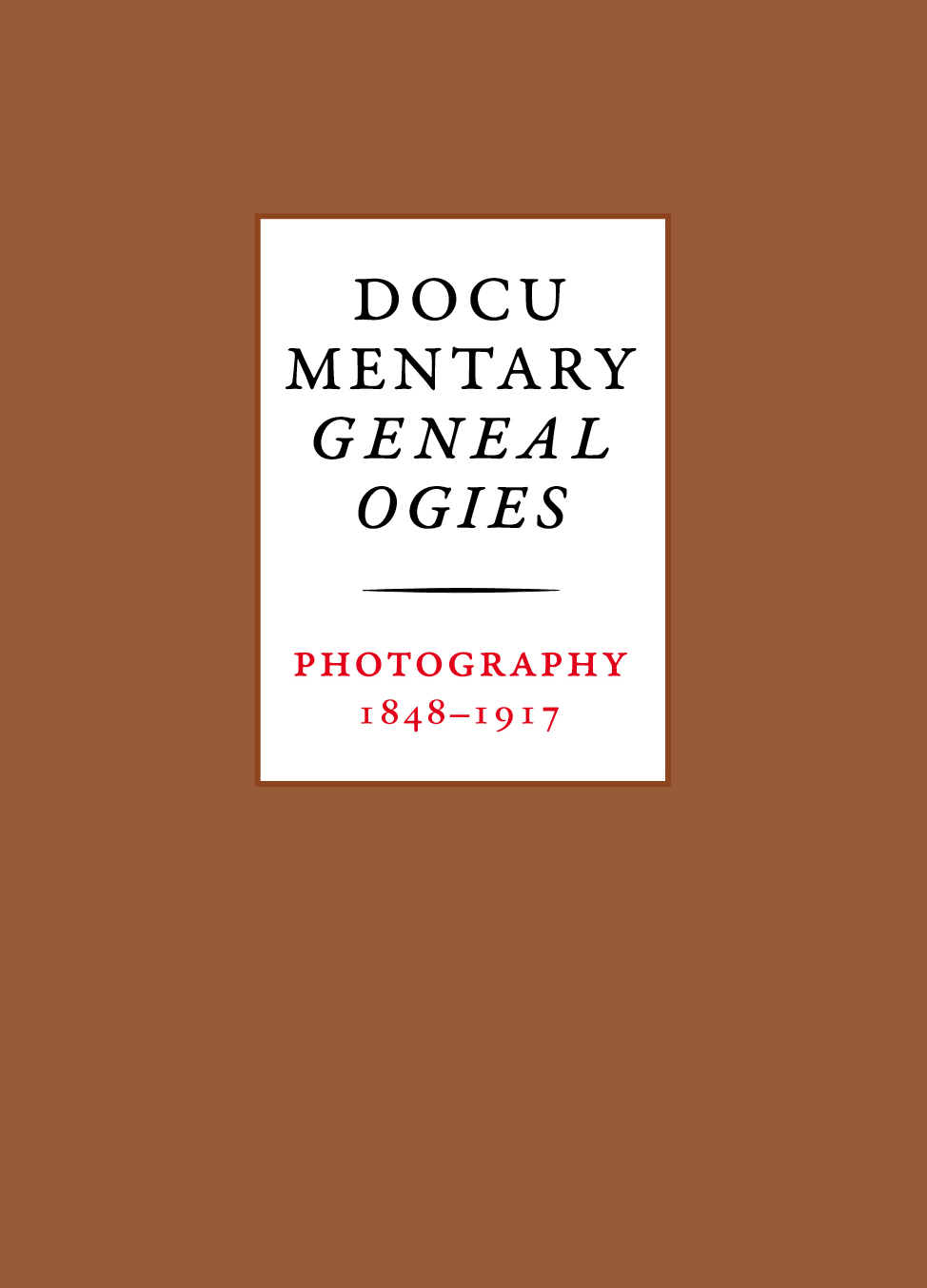
Documentary Genealogies. Photography 1848–1917
This book completes the trilogy on the history of the documentary idea in photography, started with "The Worker Photography Movement, 1926-1939. Essays and documents" (2011) and "Not Yet. On the Reinvention of Documentary and Critique of Modernism. Essays and Documents, 1972-1991" (2015), also previously published by Museum Reina Sofia.

The Art Institute of Chicago Field Guide to Photography and Media
A roster of prominent artists, curators, and scholars offers a new, entirely contemporary approach to our understanding of photography and media.