Every year, the Photography Network Awards programme awards the contributions of its membership in two ways: The first is through a project grant that supports emerging scholars, curators and artists to help complete a work in progress. The second is a book prize that honors innovation in photography scholarship, expression and distribution.PN Project Grant Winners:
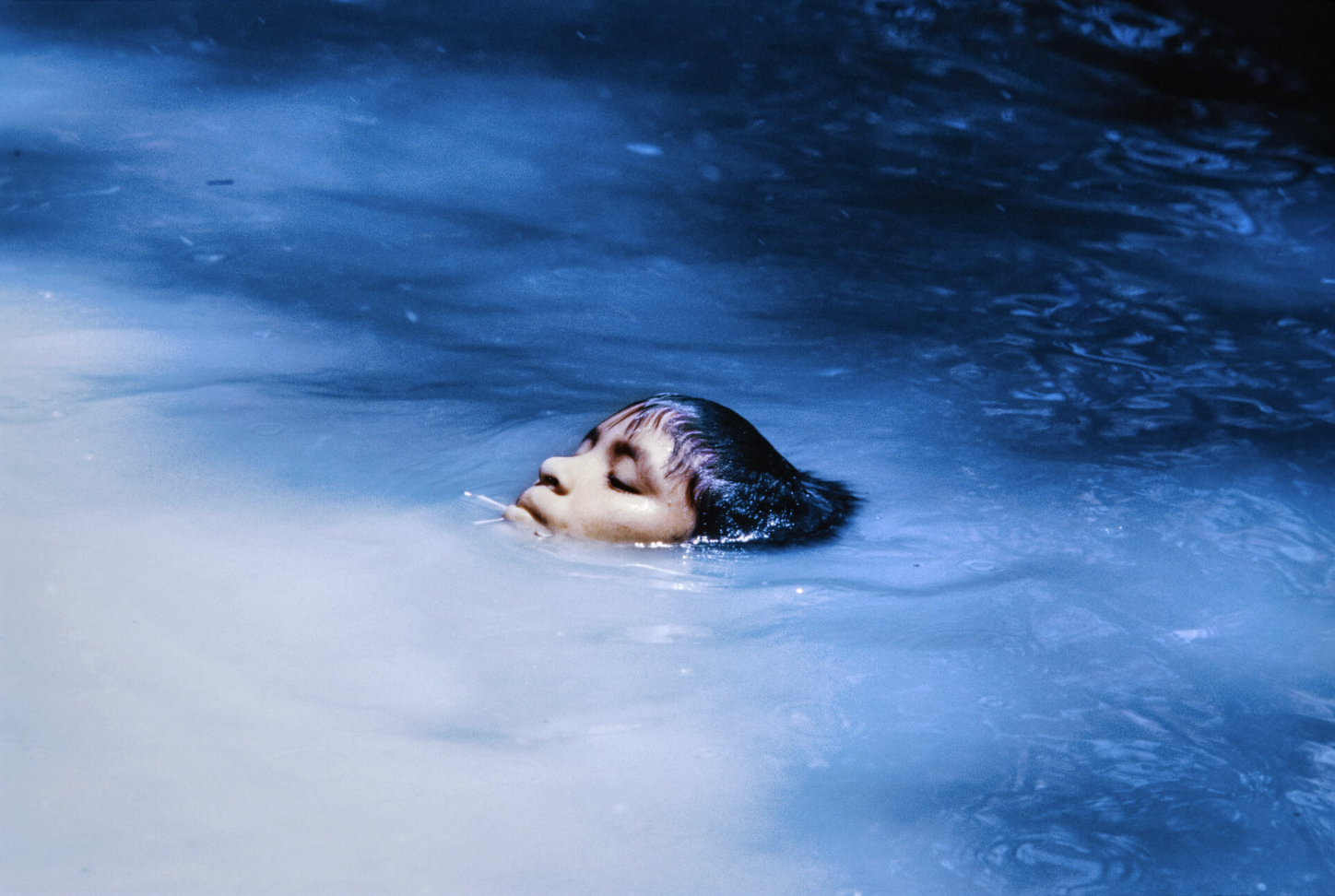
Image credit to Claudia Andujar, Susi Korihana thëri (1972-1974)
Abigail Lapin Dardashti, Ph.D. for Experimentation as Refuge: The Holocaust in Postwar Brazilian Photography
We are excited to support Abigail to complete their research on how Holocaust memory permeated Brazilian experimental photography and contributed to defining the country’s nationalism from 1945 to 1980. Abigail will spend time in São Paulo and Rio de Janeiro to conduct primary research in local archives and do oral history interviews with relevant artists.

“Hands That Heal (Cleaning the Tub), 2024” — A caregiver cleans a bathtub, her face concealed. The photograph honours caregiving as both emotional and physical labour central to sustaining families and futures. Image credit to Victoria Machipisa
Victoria Machipisa for She Who Carries Tomorrow: A Solo Photographic Exhibition
Victoria’s project, She Who Carries Tomorrow is a solo photographic exhibition that honours the work of Black and Brown women as activists, caregivers, artists, domestic workers, and youth leaders. Their community-based exhibition will include up to 20 works, a small public programme and an exhibition zine.
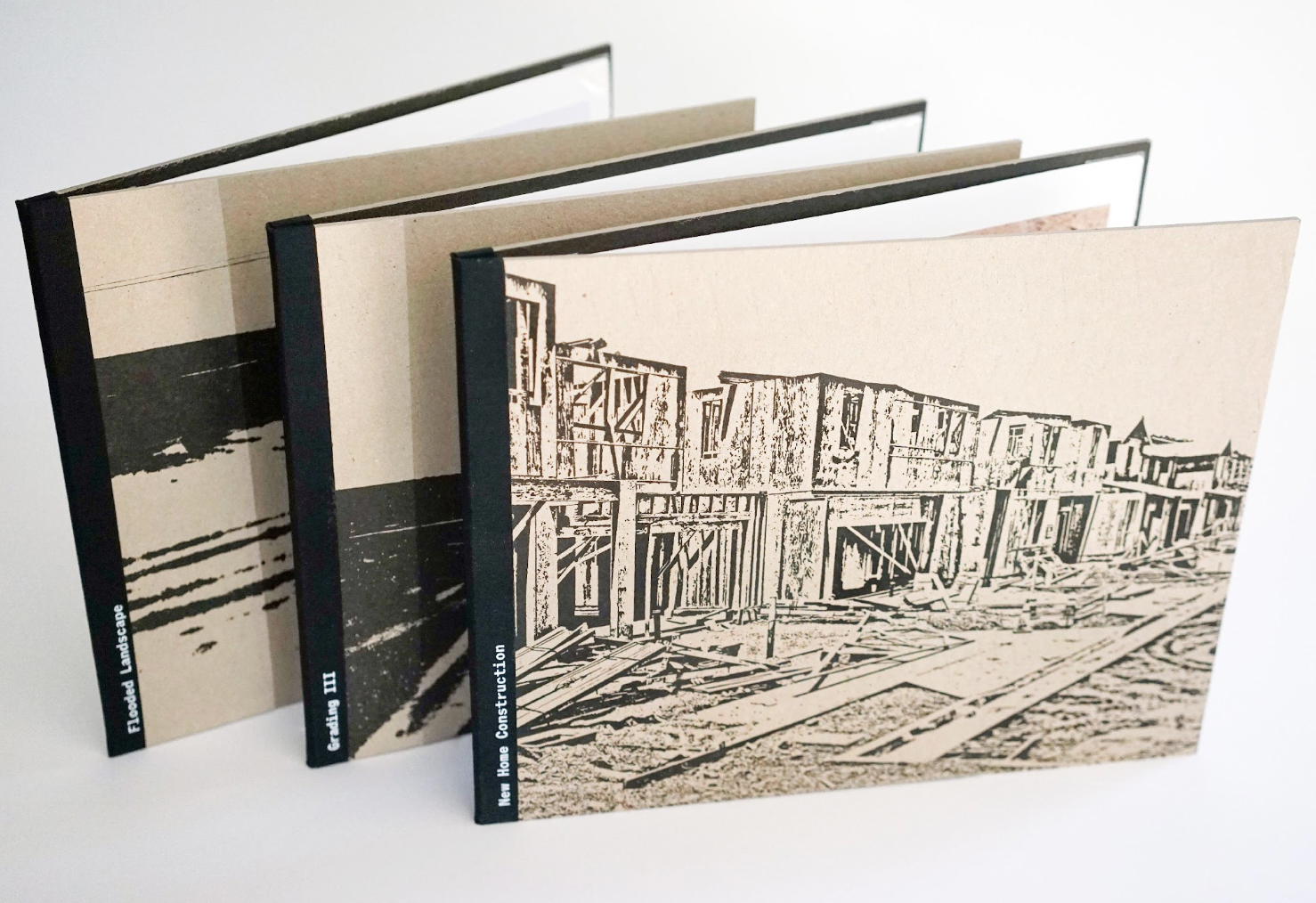
Image credit to Ryan Mcintosh & Yogan Muller: Tracy Hills. RADIUS BOOKS, 2025
Ryan McIntosh & Yogan Muller for their book collaboration.
Our third Project Grant goes to Ryan McIntosh and Yogan Muller, collaborating artists on the photographic project, Tracy Hills, about a new city built on the edge of the San Joaquin Valley, two hours east of San Francisco. The series examines the sudden emergence of 4,500 homes sprawling across the landscape and addresses the water, housing, and climate crises that California faces. The grant will be supporting McIntosh and Muller’s production of handmade, limited editions of their photobook published by Radius Books, a non-profit organisation who make impact through an art publishing and book donation programme.
Sara M. Picard, Ph.D. for ROOT DOWN
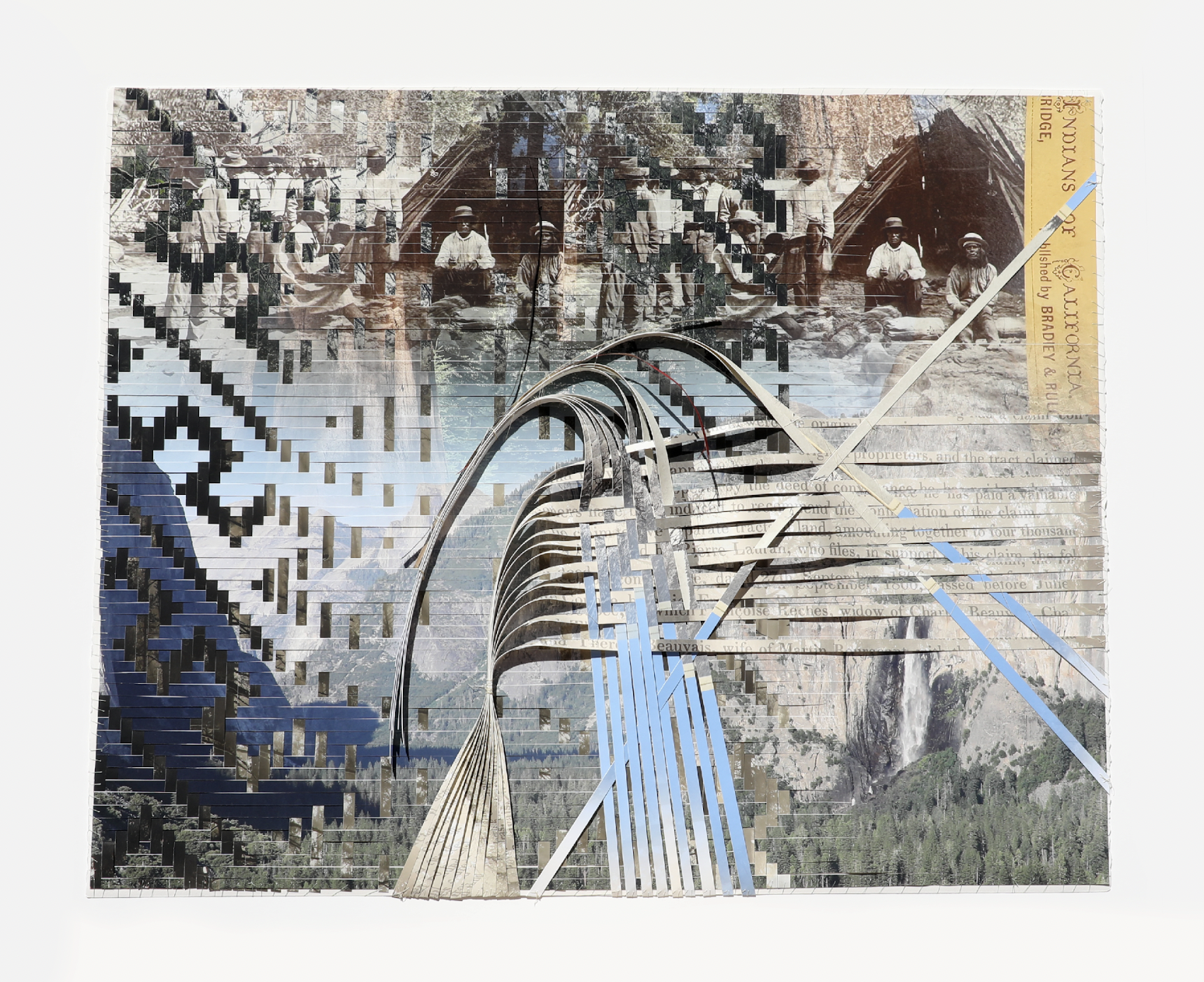
Image credit to Sarah Sense, Land, Lines, Blood, Memory 2 (2025)
The grant will support the production of a catalogue for the exhibition Root Down that Sara is curating on the emerging photographer and indigenous artist, Sarah Sense. The catalogue will honour Sense’s work and provide visitors with scholarly yet accessible research about Sense’s richly complex interlaced images.
PN Book Prize Winners:
Sophie Hackett and Tal-Or Ben-Choreen, Building Icons: Arnold Newman’s Magazine World
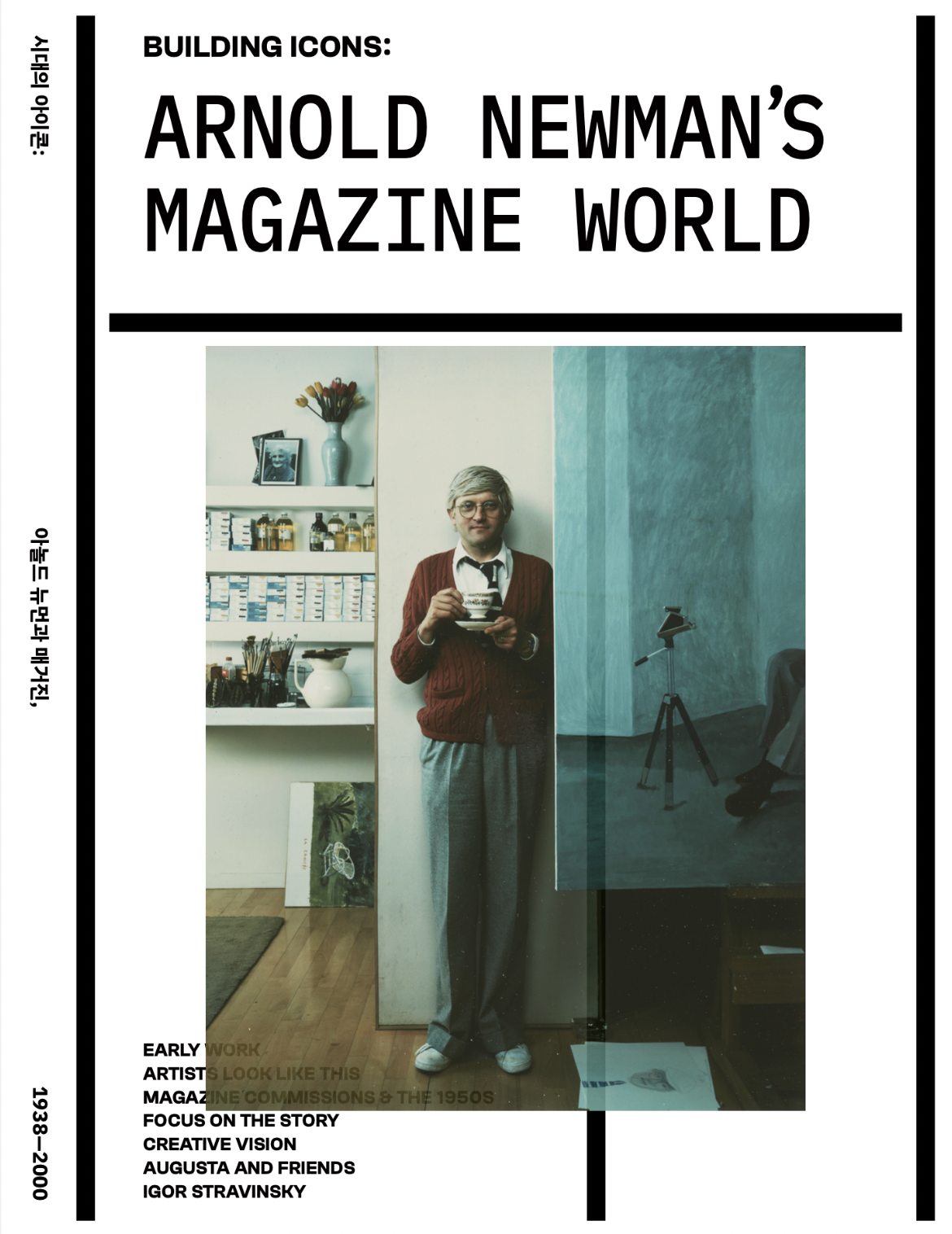
Building Icons: Arnold Newman’s Magazine World is an extraordinary catalogue of the iconic American photographer’s work in magazines from the 1940s into the 2000s. The book (both in English and Korean) considers the full breadth of Newman’s photographic practice, including his magazine commissions and advertisements, highlighting what magazines have meant for his career. Across almost 500 pages, with three major illustrated sections, we watch a striking visual argument unfold that takes up the graphic sensibilities of Newman’s unique portraiture style. The design and quality of the extraordinary reproductions in the book returns us to the enchanting pleasures of looking and because of Newman, the enduring iconicity of the environmental portrait.
Louise Siddons, Good Pictures are a Strong Weapon: Laura Gilpin, Queerness and Navajo Sovereignty
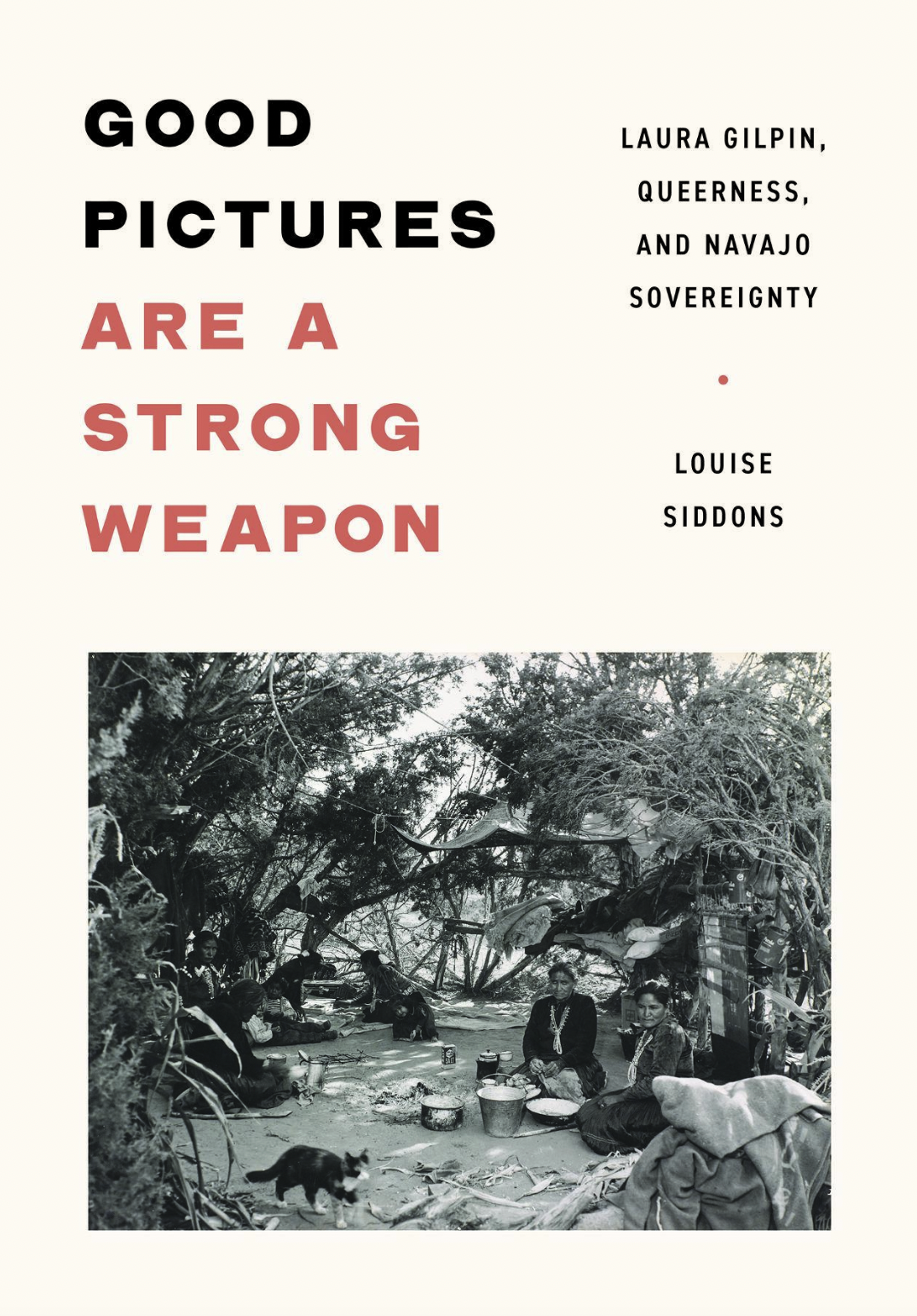
Louise Siddons’ Good Pictures are a Strong Weapon: Laura Gilpin, Queerness and Navajo Sovereignty. Good Pictures is a nuanced wrestling with the lesbian photographer, Laura Gilpin and her 1968 book, The Enduring Navaho. It explores the intersections of photography’s politics, Navajo sovereignty and queerness across the 20th century. It is sympathetic yet critical recuperation of Gilpin’spositionality in relation to the indigenous communities she photographed. Siddons does not look away from these difficult intimacies and stays attentive to what she calls Gilpin’s “generative failures”. Good Pictures is not a simple examination of the past but a methodological intervention into making history present through the centering of contemporary indigenous voices and aesthetic practices in what Siddons calls “cross-temporal connections”. We learn about the work of Jolene Nenibah Yazzie, Steven J. and Yazzie, about the indigenous peoples she could not have written this book without such as Corey Smallcanyon and several others. Good Pictures is note-worthy and urgent.
PN Book Prize Honorable Mentions:
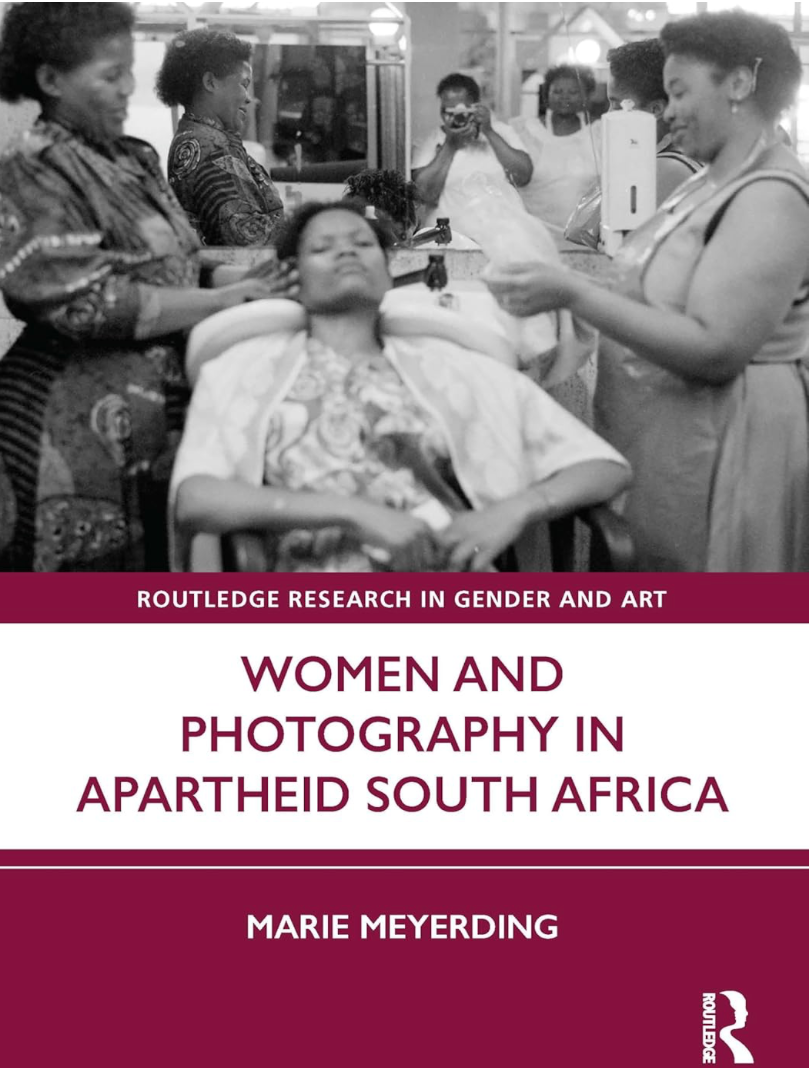
The first special mention goes to Marie Meyerding’s Women and Photography in Apartheid South Africa, which elevates the life and works of five women: Mabel Cetu, Jansje Wissema, Lesley Lawson, Mavis Mtandeki and Primrose Talakumeni. Meyerding centres these women not as marginal figures but as influential during the second half of the 20th century and within the fields of photojournalism, exhibition-making, and visual activism. Meyerding’s book marks critical ground within the dearth of scholarship on women’s contribution to African photography. South African syllabi will be indebted to this book.
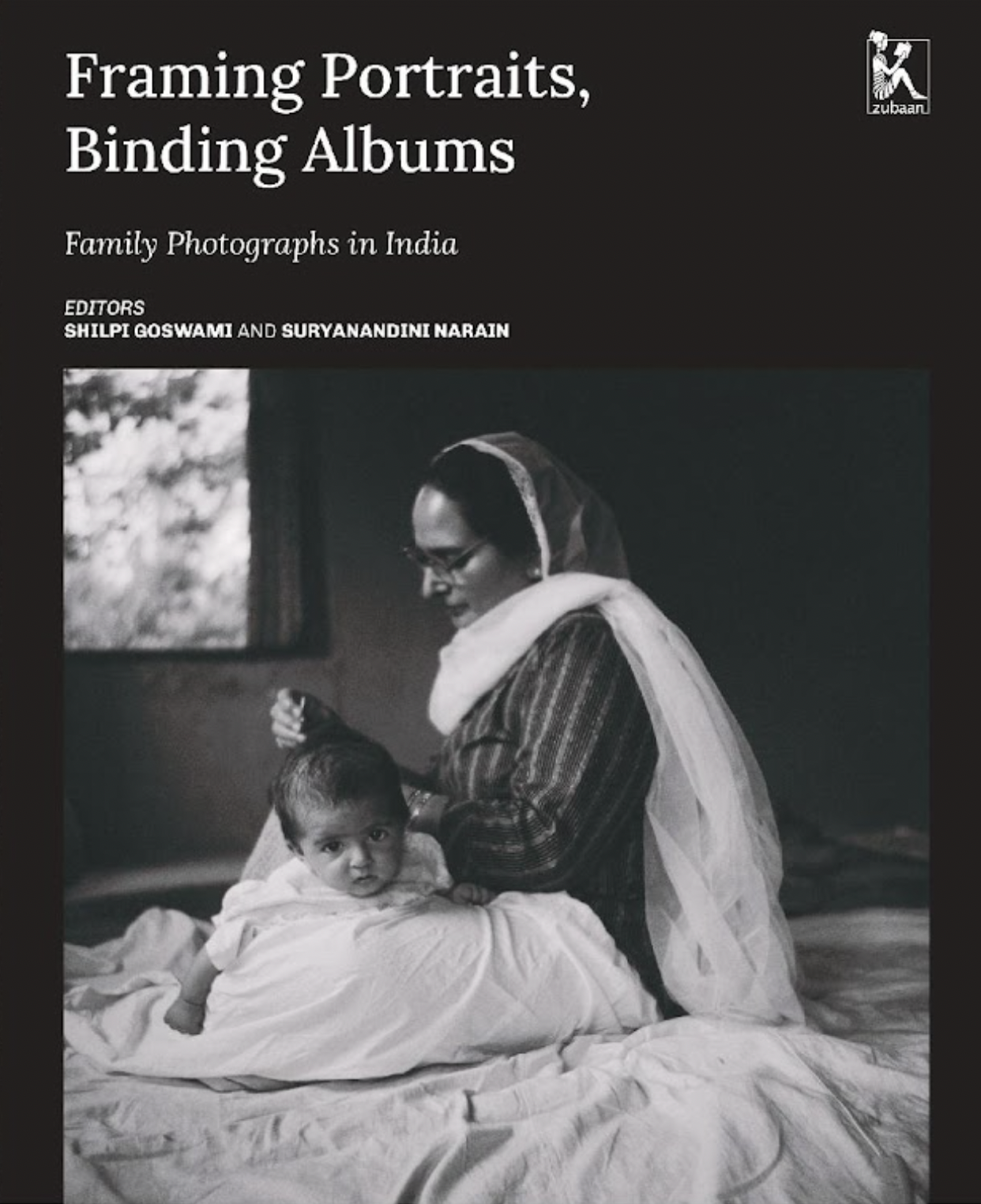
Our second special mention goes to the anthology, Framing Portraits, Binding Albums, Family Photographs in India edited by Shilpi Goswami and Surya-nandini Narain. It is published by Zubaan, an independent feminist publishing house based in New Delhi. The twenty-one essays in this collective statement about what it means to belong through the intimate visual life of an expansive idea of family and photographs, successfully embracing what it calls “the intersectionalities of gender, caste, class and regional trajectories”. The anthology combines scholarly research with personal reflections, and includes more than 200 photographs, making the text visually compelling, accessible and offering multiple entry points into the social lives of this enduring genre.