
Edited by Sarah Elizabeth Lewis, with original essays by Lonnie G. Bunch III, Vinson Cunningham, Paul M. Farber, Sherrilyn Ifill, Sarah Elizabeth Lewis, Siddhartha Mitter, Jeneé Osterheldt, and Patrick Weems
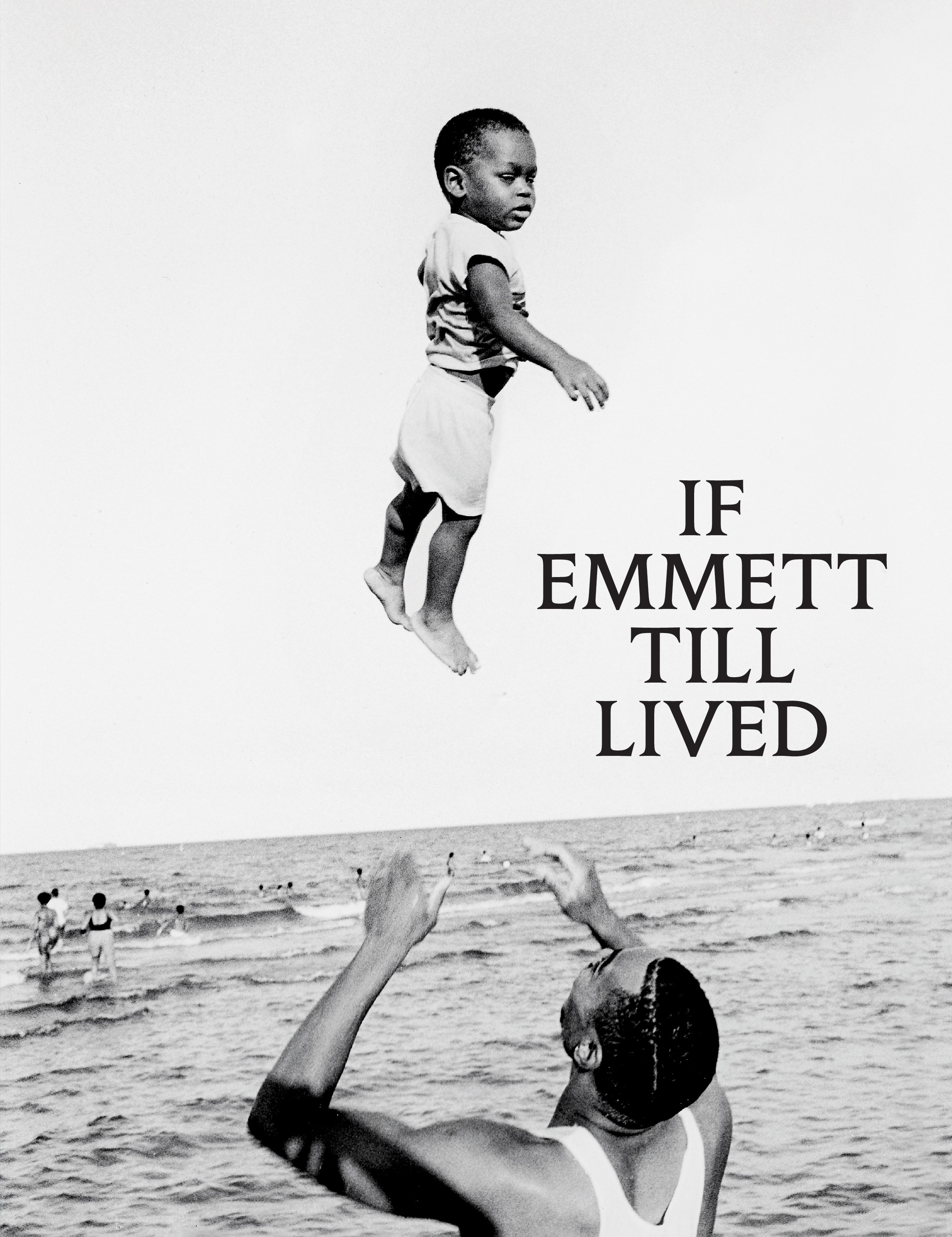
If Emmett Till Lived: A Creative Monument honors the life, death, and legacy of Emmett Till through a kaleidoscope of 20th and 21st century photography. Both a reckoning with the past and a probing investigation into the enduring legacies of racial injustice in the United States, the book imagines the life Till might have lived had he returned home in 1955, rather than being murdered at the age of 14 while visiting family in Mississippi, a victim of the racial terror of Jim Crow rule.
Sarah Elizabeth Lewis edited and contributed writing to this volume, designed by Miko McGinty, which brings together nearly 200 photographs from the permanent collection of the Museum of Contemporary Photography at Columbia College Chicago by more than 70 historic and contemporary artists. The photographs are accompanied by writings from civic and cultural leaders such as Lonnie G. Bunch III, Sherrilyn Ifill, and Paul M. Farber, with additional contributions by figures including Ava DuVernay, John Legend, Rep. Ayanna Pressley, and Amy Sherald.
There is not one photograph of Till in the volume, yet he is present throughout. Rather than documenting Till’s life directly, the images evoke the everyday experiences, relationships, and milestones that might have shaped his unrealized childhood and adulthood. By addressing the profound absence of images of Till's life beyond the age of 14, If Emmett Till Lived invites readers to consider the lasting consequences of racialized violence across generations.
If Emmett Till Lived treats the search for America as inseparable from the search for Till’s unlived life. At once elegy, memorial, it is a book to prompt the moral imagination. Taken together, the book and exhibition contribute to an expanding collective arena for considering the unfinished work of American democracy and how we claim freedom on American ground.
MoCP/ DelMonico Books - D.A.P
Publication Date: September 2026
